.svg)
.svg)
.svg)
.svg)
.svg)


It is the call no event organiser wants: a few days before the event, the venue tells you it can no longer host you. It might be a flood, a failed inspection, a power outage, a building closure or a double booking. Whatever the cause, you now have a room full of delegates, speakers and suppliers with nowhere to go. This guide sets out what to do in the first hour, the first day and the days that follow, so the event still happens.
The first hour: get the facts before you react
Panic produces bad decisions, and the first conversation with the venue matters more than any other. Before you start ringing round, get the following from the venue in writing:
- What exactly has happened, and whether it affects the whole building or just your room.
- Whether a partial solution exists: a different room in the same building, a shorter day, or a later start.
- What they are offering: a refund, a transfer to a sister venue, a new date, or help finding an alternative.
- Who your single point of contact is from now on, with a direct mobile number.
Write it down as you go. You will need a clear timeline later for your insurer, your finance team and possibly your lawyer.
Read the contract before you agree to anything
Your venue contract sets out what happens next. Look for three clauses in particular.
Force majeure
A force majeure clause excuses one or both parties when something genuinely outside their control prevents the event: severe weather, a civil emergency, a utility failure beyond the building. If the venue relies on it, ask which event they say triggered it and what the clause says about deposits. Force majeure does not usually cover problems the venue could reasonably have prevented, such as a double booking or poor maintenance.
Cancellation by the venue
Many contracts cover cancellation by the venue separately from cancellation by the client. Check whether you are owed a full refund, whether the venue must help you relocate, and whether any compensation applies for costs you have already committed elsewhere.
Relocation and substitution
Some venue groups reserve the right to move you to a comparable space. If they offer this, check that "comparable" means the same capacity, layout, AV and accessibility, not simply "a room".
Do not sign a variation or accept a partial refund in the first conversation. Ask for the offer in writing and take a few hours to review it. If the sums involved are significant, take legal advice. Our guide to London conference venue insurance explains how venue liability and organiser cover fit together.
Call your insurer the same day
If you hold event cancellation or abandonment insurance, notify your insurer before you commit to any replacement costs. Most policies require prompt notification and expect you to take reasonable steps to limit the loss, which usually means moving the event rather than cancelling it. Ask them directly whether the extra cost of an alternative venue at short notice is covered, and keep every receipt.
Find a replacement venue fast
With days rather than weeks to play with, you need to be precise about what you need, and flexible about everything else.
Write a one-page brief
Before you ring anyone, write down the non-negotiables: date and times, delegate numbers, room layout, breakout rooms, AV (projection, microphones, livestream), catering and dietary requirements, accessibility needs and the location your delegates can reach. Our event brief guide is a good template, but at this stage a single page is enough. Send the same brief to every venue so you can compare like for like.
Stay close to the original location
Delegates have already planned their journey. A venue within a short walk of the original, or on the same Tube line, means far fewer people get lost, arrive late or give up. In the City of London, venues near Bank, Moorgate, Liverpool Street, Tower Hill and Fenchurch Street are all within minutes of each other. In the West End, the same is true around Oxford Circus, Great Portland Street and Marylebone.

Prioritise operators with more than one venue
A venue group with several buildings can often move you between them without starting from scratch: the same team, the same catering, the same AV standards and the same contract terms. That is usually the quickest route to a like-for-like replacement.
Ask the right questions on the first call
- Is the room genuinely available on your date, with no provisional hold from another client?
- Can they confirm in writing today?
- Is AV in-house, with a technician on site, or do you need to bring your own?
- Can the kitchen handle your numbers and dietary requirements at short notice?
- What is their deadline for final numbers?
Tell people early, and tell them once
Silence is worse than bad news. As soon as the new venue is confirmed in writing, send a single, clear message to every delegate, speaker and exhibitor with the new address, the nearest station, walking directions, the start time and a contact for questions. Update the event website and registration page the same hour. Then send a short reminder 48 hours before and again on the morning of the event.
Brief your speakers separately. They need to know the room size, the AV set-up and where to go on arrival. Tell your suppliers too: caterers, AV companies, photographers, printers and courier firms delivering materials all need the new address.
Protect the day itself
- Put someone at the old venue for the first hour of the day, or arrange clear signage, to redirect anyone who missed the message.
- Do a walk-through the day before with the new venue's events team: registration, cloakroom, breakout rooms, catering points and fire exits.
- Test the AV in person, including any livestream or hybrid link. Our hybrid events guide covers what to check.
- Keep the running order simple. This is not the moment to add new sessions.
Afterwards: close it out properly
Once the event is over, pull together the paperwork while it is fresh: the original contract, the venue's written notice, every email, the replacement contract and every invoice. Submit your insurance claim and your refund request with the full timeline. Then write down what you would do differently. Many organisers now ask every venue at contract stage what their contingency plan is if they cannot host.
How to reduce the risk next time
- Choose venues run by a specialist operator with more than one building nearby.
- Read the venue-cancellation and force majeure clauses before you sign, not after.
- Take out event cancellation insurance for any event where the loss would hurt.
- Keep your one-page brief up to date, so you can send it within minutes.
- Build a short list of back-up venues for your most important annual events.
How Cavendish Venues can help

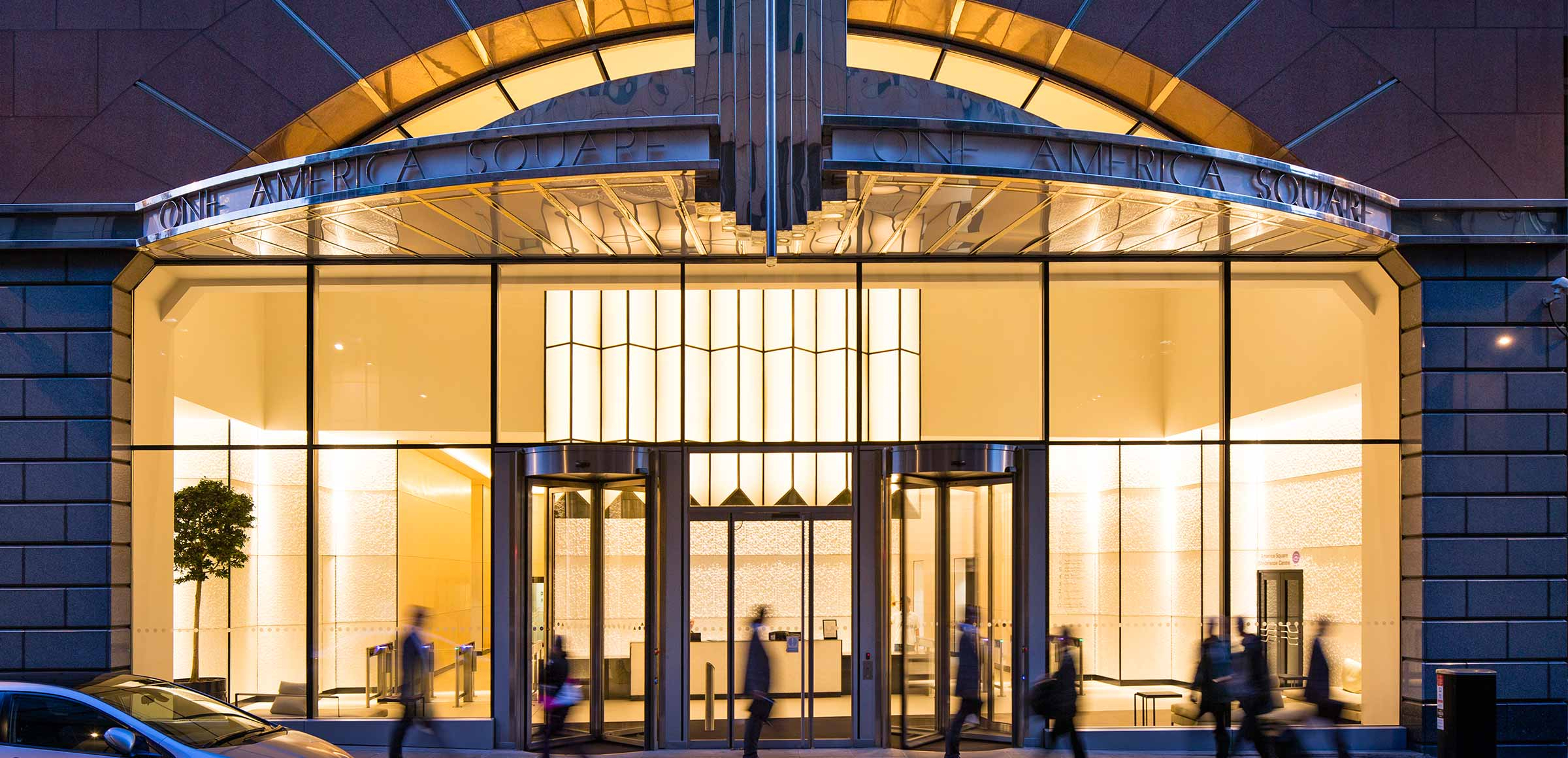
Cavendish Venues runs five dedicated conference and meeting venues in Central London, each a five-minute walk from a Tube station. In the City: 1 Basinghall Avenue near Bank and Moorgate, 1 America Square near Tower Hill and The Minster Building near Fenchurch Street and Monument. In the West End: 44 Hallam Street and 22 Duchess Mews, both near Great Portland Street and Oxford Circus.
Between them we host events from 2 to 450 delegates, with in-house AV technicians on site and in-house catering from our group partner Mayfair Catering. If your venue has let you down, send us your brief and we will tell you quickly what we can do. Call 0207 706 7700 or email enquiries@cavendishvenues.com.
Frequently asked questions
Is a venue allowed to cancel my event?
It depends on your contract. Most venue contracts allow cancellation in defined circumstances, such as force majeure, and set out what the venue owes you if it does. If the contract is silent or the reason falls outside those terms, you may be entitled to more than a refund. Take legal advice if the sums are large.
Will I get my deposit back if the venue cancels?
In most cases, yes, where the venue cancels for reasons within its control. Force majeure clauses can change that, so check the wording and ask the venue to confirm its position in writing.
How quickly can I book a replacement conference venue in London?
It can be done in a day if you have a clear brief and are flexible on everything except the essentials. Venue groups with several buildings are often the fastest route, because the contract, catering and AV are already standardised.
Does event insurance cover a venue cancelling?
Many event cancellation and abandonment policies cover venue failure, including the extra cost of moving at short notice. Notify your insurer before you commit to new costs, and keep every receipt.